“I Thought We Had Time”

I didn’t expect to feel this way reading tributes to Catherine O’Hara. Admiration, yes. But also a tightening in the chest, a sense that something tender was being touched—something about time, and parents, and the quiet belief that there will always be more.
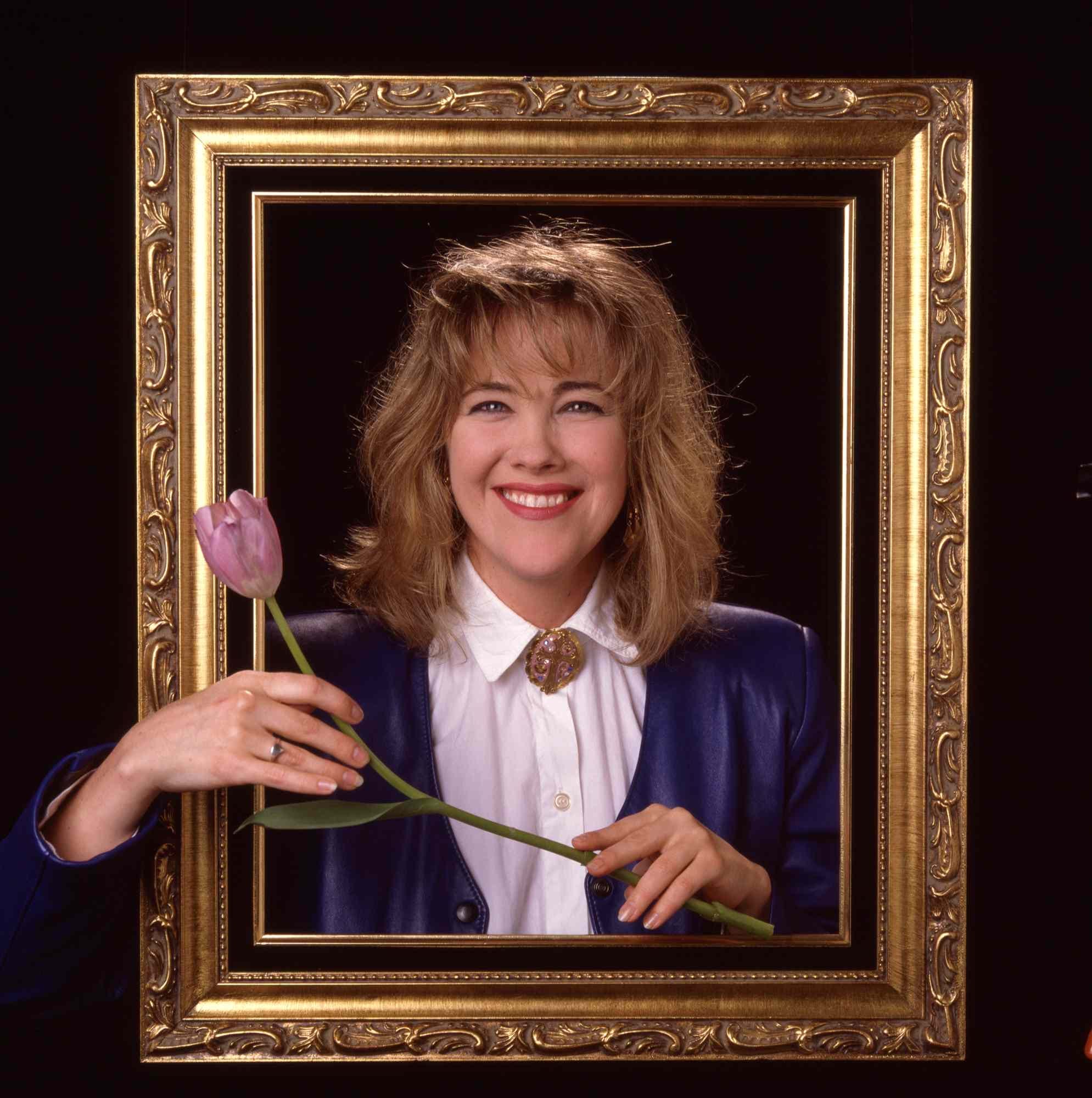
For decades, O’Hara has been woven into our emotional lives so completely that it’s easy to mistake her presence for permanence. She hasn’t simply made us laugh; she has steadied us. Again and again, she has played women who hold things together—mothers, anchors, figures of warmth and authority whose care feels instinctive rather than performed. Watching the tributes gather, it becomes clear that many of us didn’t just grow up watching her. We grew up with her.
And then there is Macaulay Culkin’s note.
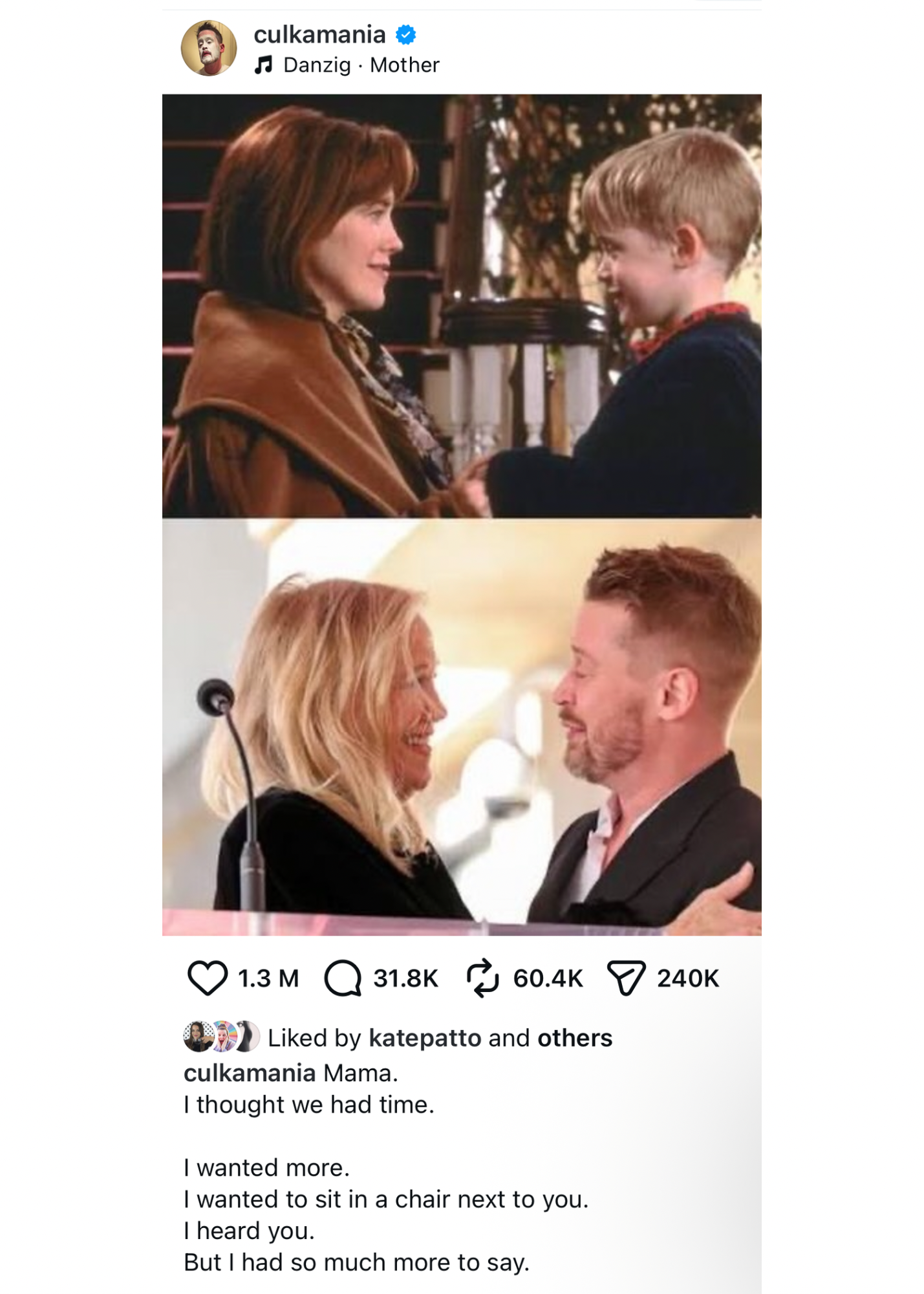
It lands differently. Not polished, not distanced, but raw with the ache of unfinished time. His words don’t mourn an absence so much as a future that suddenly feels uncertain: the conversations imagined but not yet had, the assumption that later would arrive as promised.
What makes his grief so piercing is how familiar it feels. Even for those of us who have not lost a parent, the fear is already there, quietly lodged in adulthood. The knowledge that love does not stop the clock. That one day, without warning, we may realise we were counting on time to be kinder than it is.
In that moment, Culkin stops being a public figure reflecting on a legendary actress. He becomes something more recognisable: a child, grown, still grappling with the terror of imagining life without the people who shaped him. Watching him mourn time itself collapses the distance between celebrity and self. It reminds us that no amount of success or distance protects us from this reckoning.
Other tributes speak in a different register. They name her brilliance, her generosity, the rare electricity of being in her orbit. They show empty chairs on set that seem to hold her presence even in absence. These gestures are reverent and loving, full of awe. But Culkin’s words do something quieter and more unsettling. They open the door to the most vulnerable part of love—the part that understands its own limits.
That may be why this moment feels so heavy. Giving Catherine O’Hara her roses now is not just about honouring an extraordinary career. It is about the screen mothers who raised us, the figures we believed would always be there, and the sudden awareness that permanence is an illusion we cling to for comfort.
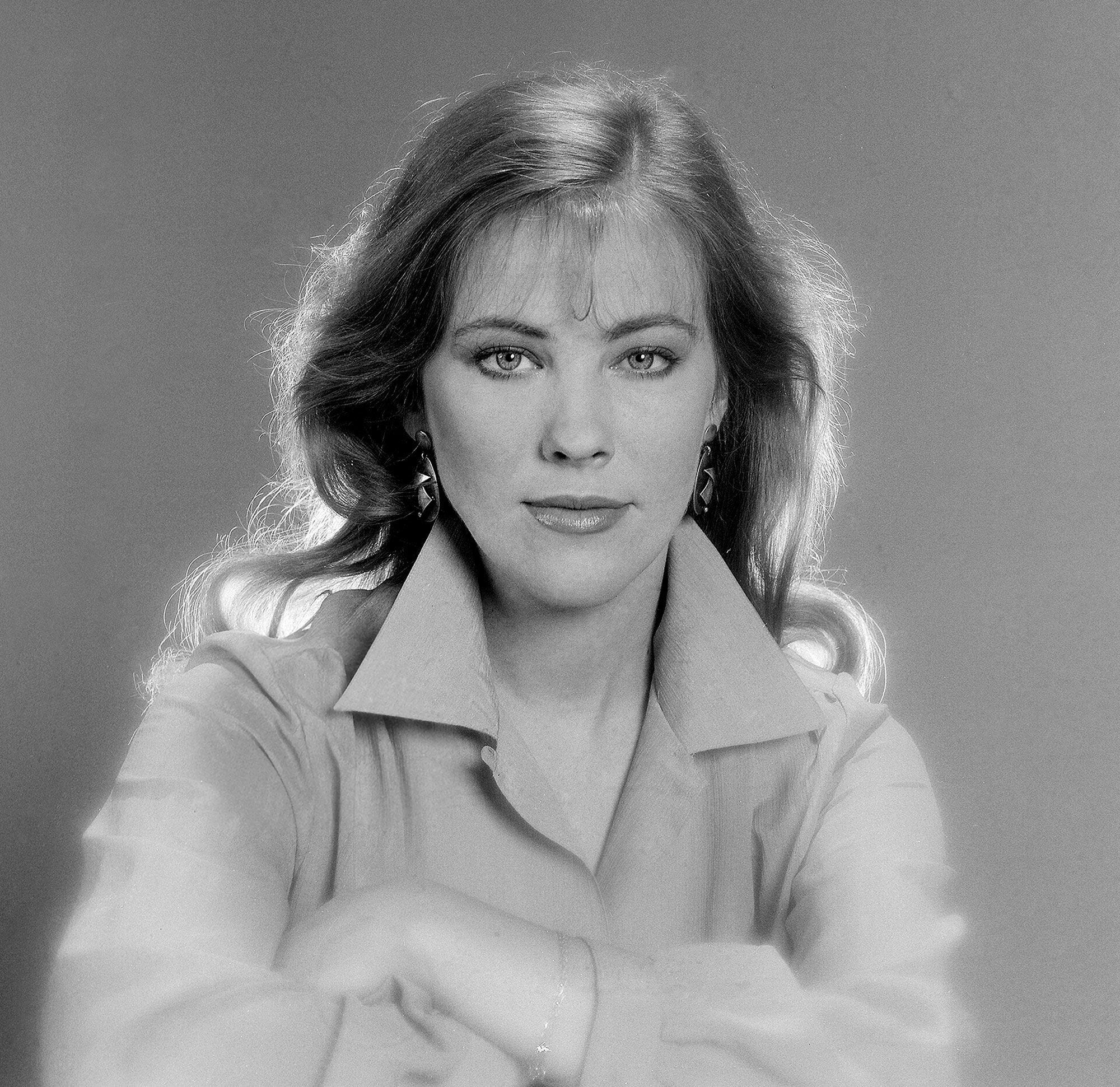
This outpouring is not only about her. It is about us—about how we love, how we delay our gratitude, how easily we assume time will wait. And about the way grief sometimes arrives before loss, as a tightening in the chest, a warning, a wish to sit a little closer while we still can.
well said 🥹